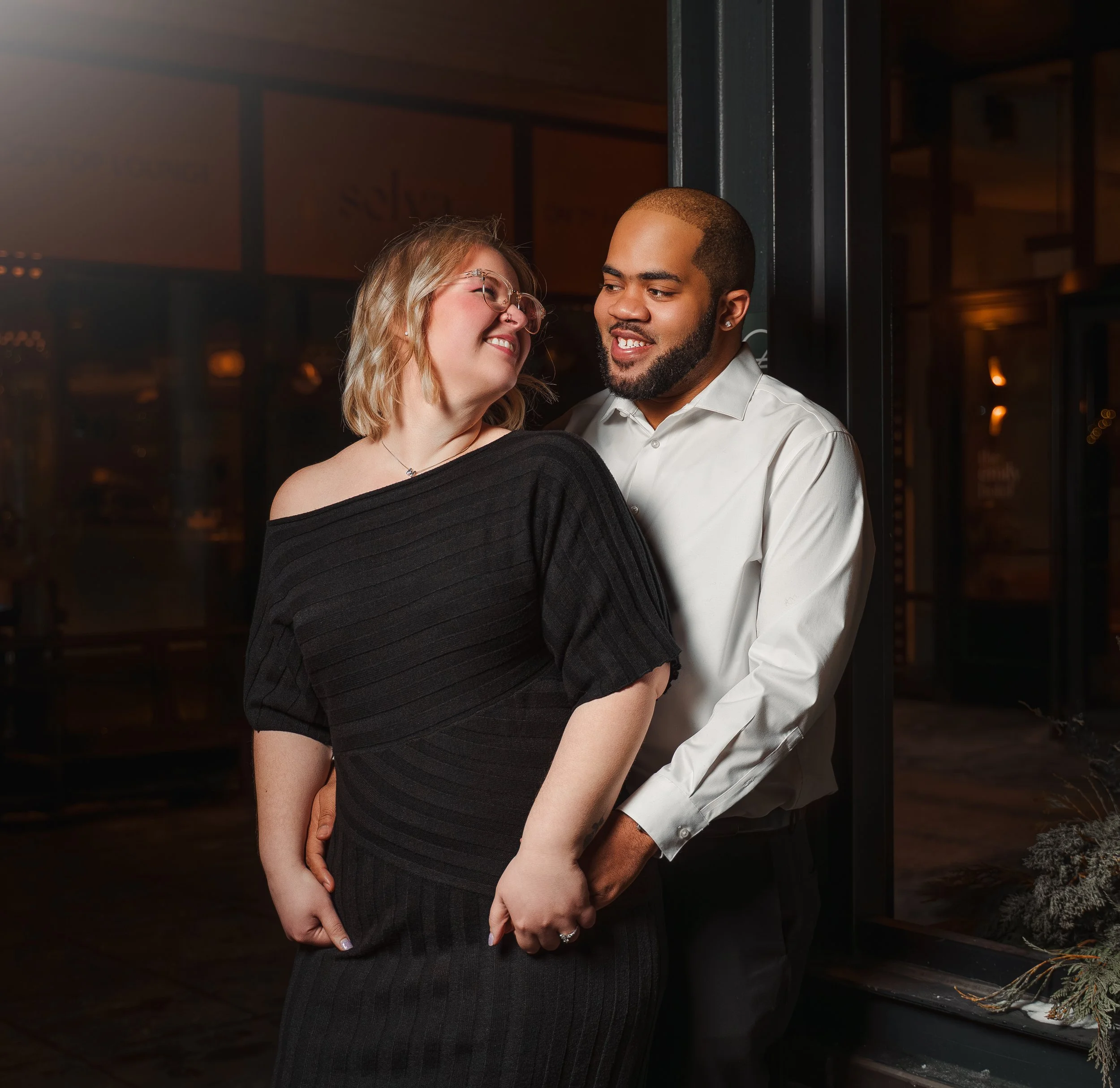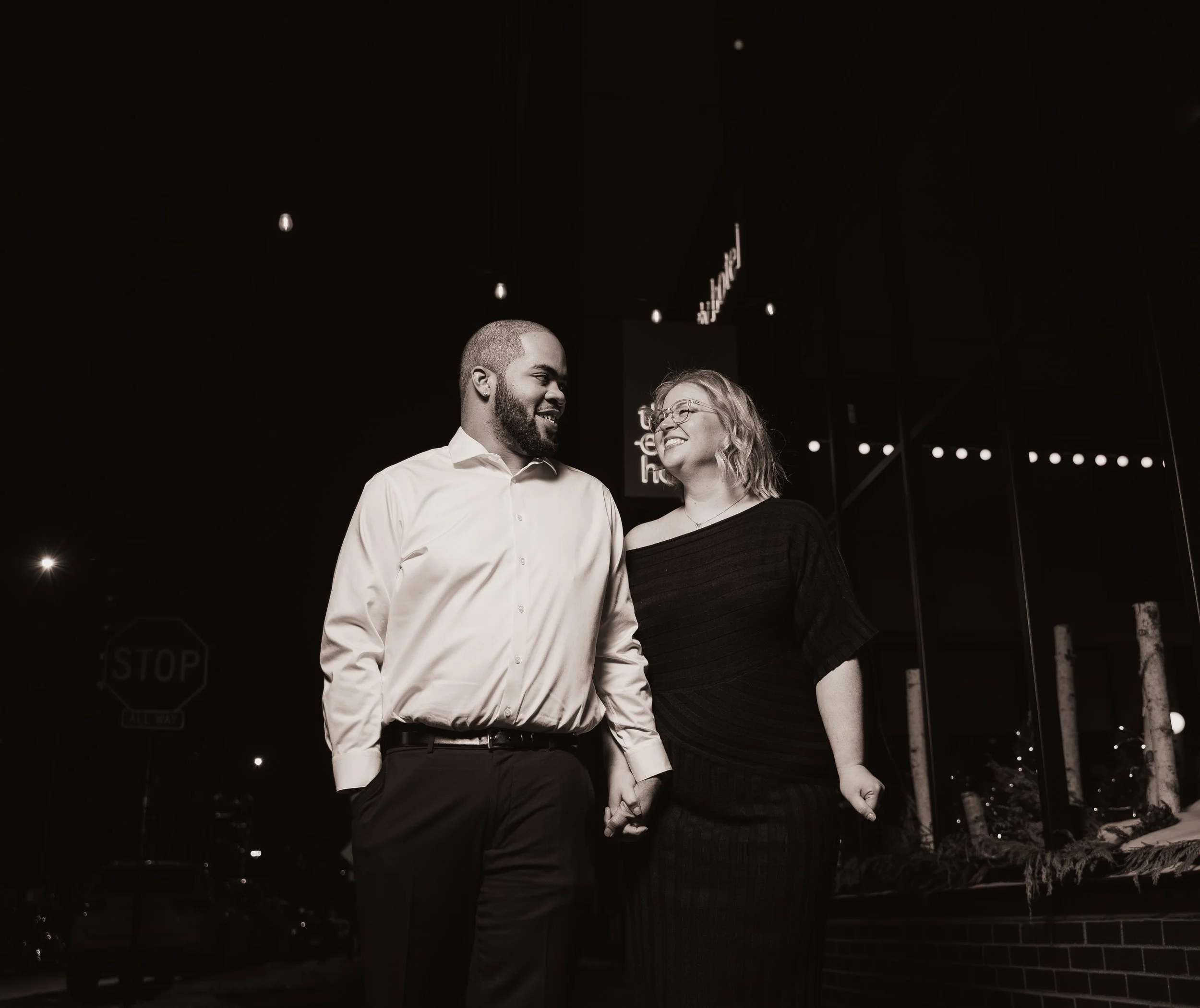
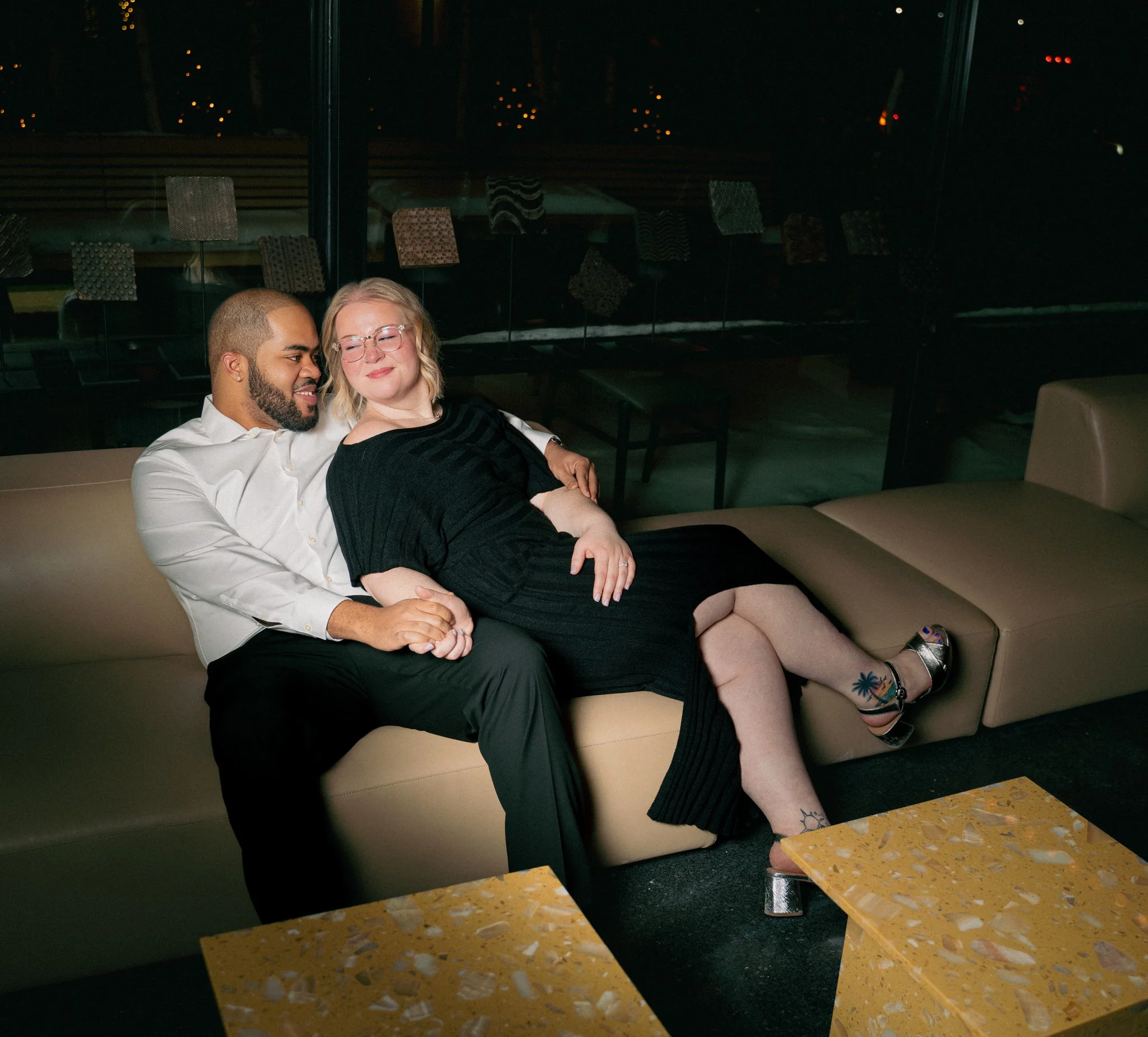
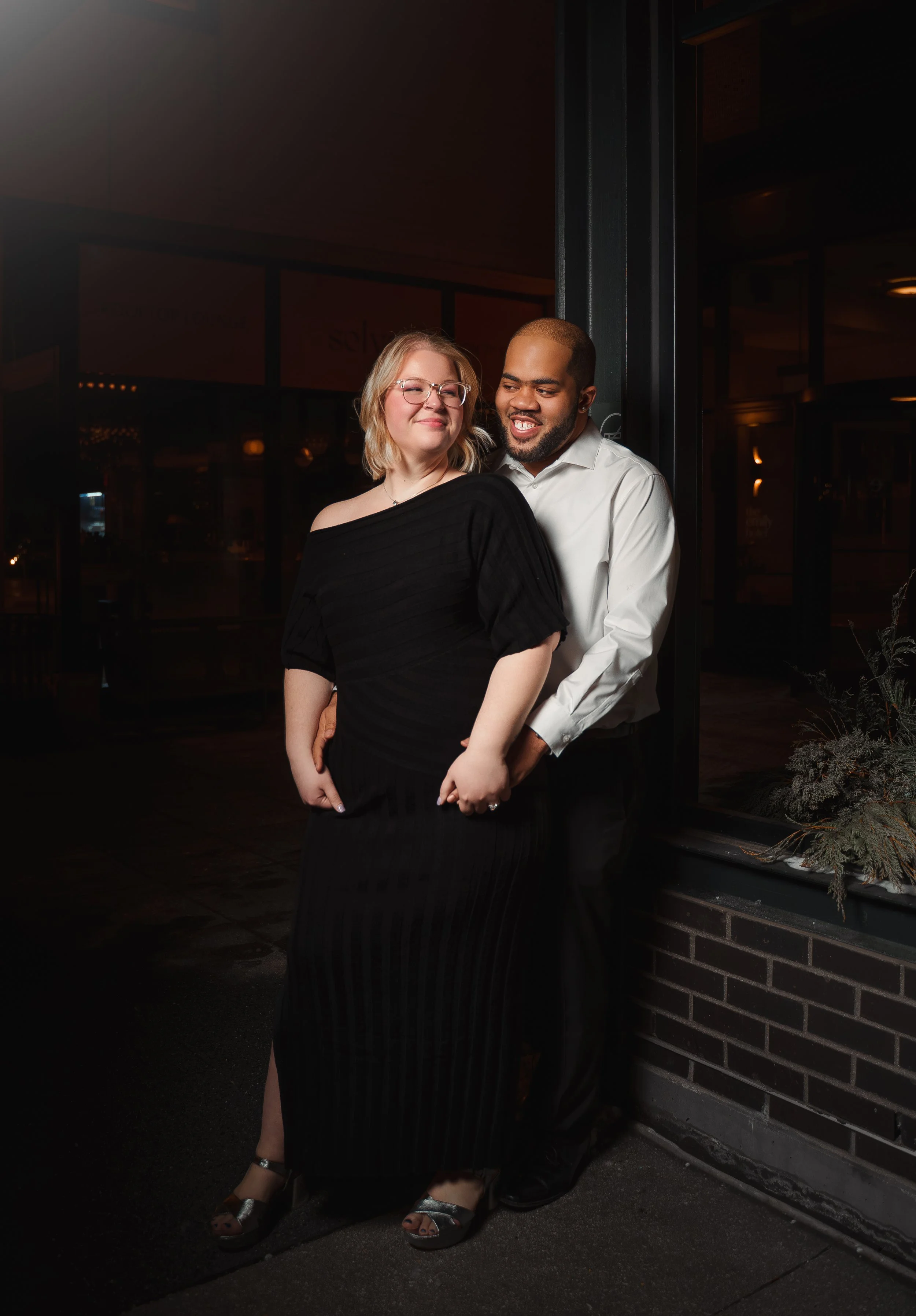
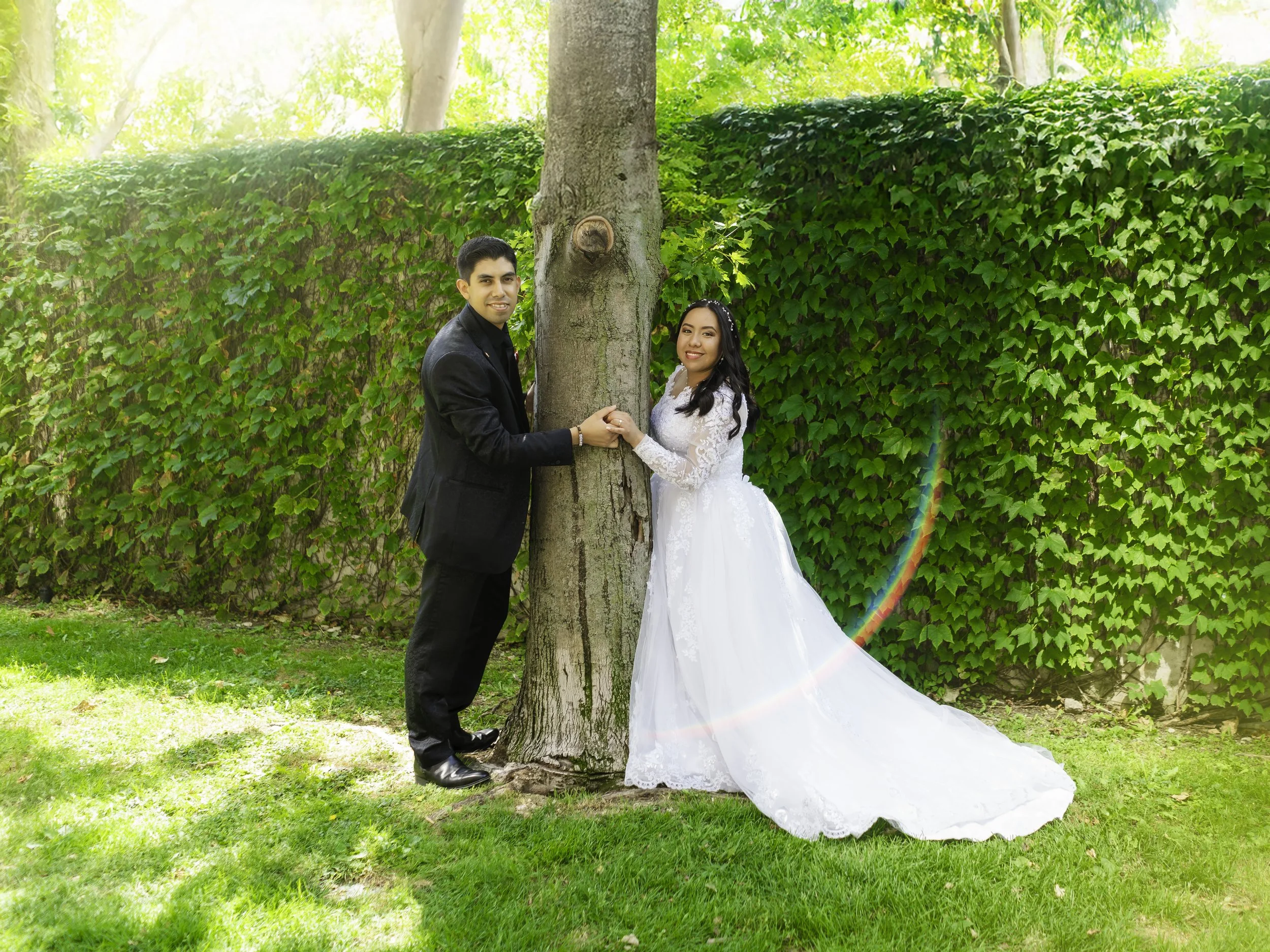
Your wedding photos are only as good as your light.
Enter your venue and date. Drag the slider to watch the sun move across your sky — and see exactly when golden hour hits.
"Great wedding photos start with great light. That starts with when you schedule your ceremony."
We've shot enough weddings to know this one truth above all others. Use the calculator below.
Step 01 · Tell us about your day
Sunset
—
—
—
Sunrise
—
Day begins
Golden hour
—
The magic window
Sunset
—
The headline number
Blue hour
—
Receptions glow
Our recommendation
—
The Math
—
How to use your results.
Golden hour is the 60 minutes before sunset, when light turns warm and directional and flattering. It's the light in the wedding photos that make you stop scrolling. Your goal as a couple is to have your portraits scheduled inside that window.
The math we use: give yourself a 30-minute buffer after the ceremony for hugs, family formals, and getting from ceremony site to portrait location. Then you want 60 minutes of golden hour left. So your ceremony should end roughly two hours before sunset. For a 6:00 PM sunset, that means a 3:30 PM ceremony start for a 30-minute ceremony, or 3:00 PM for a longer religious service.
"The couples with the most timeless wedding photos have one thing in common — they schedule their ceremony two hours before sunset. Every time."— Love & Moore Photography & Video
Season changes everything.
Summer weddings have forgiving sunsets — 8:00 PM or later in June across most of the country. You can have a relaxed 5:00 PM ceremony and still catch every minute of golden hour. Winter is the opposite. Sunset in Chicago in December is before 4:30 PM. For a winter wedding, either plan a first look or build the entire day around getting outside by 3:30 PM.
Spring and fall are where most couples get tripped up. The sunset moves by two minutes a day in those months. A date change of even two weeks can shift your ideal ceremony start by 15 minutes. Run the calculator again if your date moves.
Photographer's Note — Indoor Ceremonies
An indoor ceremony gives you flexibility on start time — the light inside the venue doesn't change. But the light outside still matters. The best couple portraits of the day almost always happen outside during golden hour. Tell your photographer to pull you out for 20 minutes when the light is right. Those stolen minutes are where your best photos come from.
What every couple should plan around.
Work backwards from sunset
Don't start by picking a ceremony time. Start with your sunset time. Every other timeline decision — ceremony, cocktail hour, dinner, toasts — should flow backwards from that single number.
Never schedule portraits at noon
Midday sun is harsh, overhead, and creates shadow under every brow bone and chin. The photos will be technically "bright" but they won't be beautiful. Move them indoors or under shade.
Protect the golden hour window
Things will try to steal it. Family photos run long. Cocktail hour drags. An aunt wants a quick shot with everyone. Tell your planner in advance: nothing gets in the way of golden hour portraits.
Blue hour reception shots
Twenty minutes after sunset, the sky turns deep blue and your warmly-lit reception glows against it. Tell your photographer to step outside during dinner to capture the venue exterior.
Why you can trust this.
These aren't estimates. The calculator uses real astronomical data for your exact coordinates — sunrise, sunset, civil twilight, and golden hour windows calculated the same way NOAA calculates them. Based on your wedding date's position in the year and your venue's latitude, you're seeing the actual light conditions you'll have. Within about 60 seconds of accurate.
Got your sunset time. Now let's build the day around it.
Whether you've picked your ceremony time or you're still figuring it out, reach out. We'll help you plan the light — even if you don't end up booking us.
Check Our AvailabilityWe respond within 24 hours · No obligation